
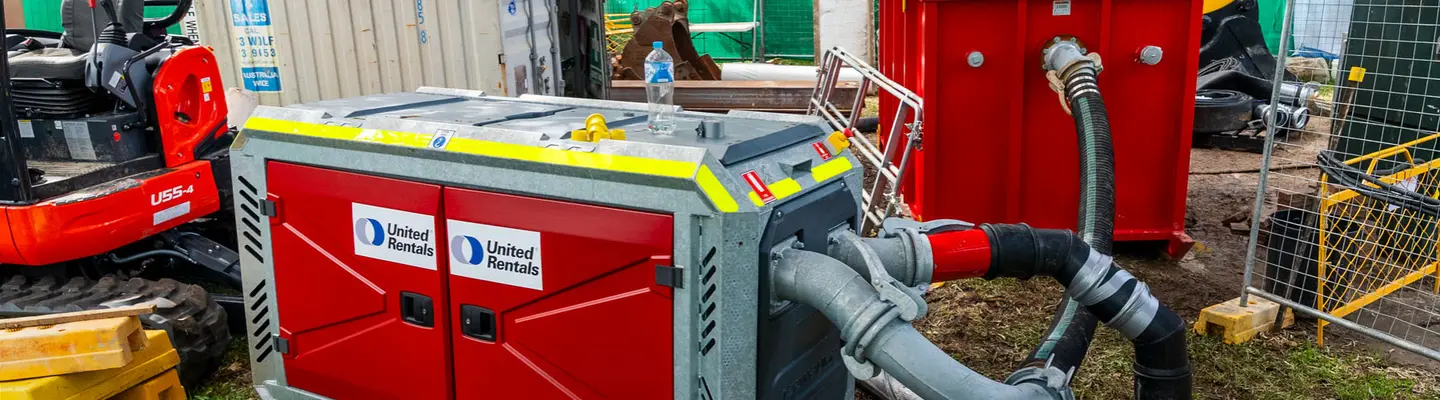
The accumulation of unwanted water is a common challenge on Australian construction sites. The issue is a frequent cause of delays, and when not properly addressed, can create serious safety and timeline risks, which in turn cause costly project delays.
Some common causes of excess water pooling are heavy rainfall pooling on flat ground, groundwater seeping into excavations, or works being undertaken in proximity to rivers, creeks, and high water tables. Dewatering is the process of safely removing unwanted water to keep sites stable, compliant, and work on schedule.
This article will cover:
- What dewatering is and why it’s important.
- Common dewatering methods and when to use them.
- Environmental and safety requirements when dewatering.
- Practical site tips for dewatering success.
- When to call in dewatering experts.
What Is Dewatering?
Dewatering is the controlled removal of unwanted surface or groundwater to create safe and stable working conditions. It’s essential for:
- Removing pooled water from open trenches, excavations, or flat sites without drainage.
- Stabilising soil for deep excavation and preventing collapse.
- Lowering water tables around foundations, tunnels, or infrastructure.
- Meeting environmental rules for water flow and discharge quality.
Without effective dewatering, worksites risk erosion, unstable excavations, damaged equipment, pollution of natural resources and increased danger to workers.
Relevant standards:
- Safe Work Australia - Excavation Work Code of Practice
- For the relevant Environmental Protection Agency standards relating to dewatering and soil erosion please visit the EPA website relevant to the state where you are undertaking works.
Common Dewatering Methods & When to Use Them

1. Open Sump Pumping
Open Sump Pumping is a simple, cost-effective approach that can be used to remove water in shallow excavations. This approach works best when the water to be removed is relatively clean with low sediment levels.
2. Wellpoint Systems
Wellpoint Systems is a more technically advanced solution that achieves the desired outcome by lowering groundwater levels in sandy or permeable soils. Wellpoint systems are ideal for use in trenching, tank installations, manhole construction, and pipeline work.
3. Deep Well Pumping
If the water is located in a large excavation or the work site is near deep water tables, then Deep Well Pumping may be required. This engineered solution requires specialist expertise to design and install.
4. Bypass Pumping
Bypass Pumping utilises an approach that will temporarily redirect water during sewer, drainage, or water main works. This system is very helpful to maintain access to these essential services as it minimises service interruptions during the works.
5. Integrated Pumping & Water Treatment
Dewatering that uses integrated pumping and water treatment equipment works by combining pumps, sediment control tanks, chemical dosing, and filtration. This combination of specialist equipment is designed to ensure compliance with any EPA or other relevant discharge regulations.
Environmental & Safety Requirements When Dewatering
Environmental compliance:
Always ensure your site works comply with the relevant compliance requirements and that your responsible managers are aware of and have access to the applicable EPA/state guidelines on pollution and water discharge quality. In some jurisdictions, there are strict standards to prevent sediment and/or chemical pollution of waterways that carry significant fines and penalties.
Sediment Control
Effective sediment management is essential when dewatering a worksite. Using sediment tanks, lamella clarifiers, or media filters helps remove solids from the water before it is discharged. These systems not only improve water quality but also ensure compliance with environmental regulations and protect surrounding land and waterways.
Chemical Treatment
In some situations, chemical treatment is required to make water safe for discharge. Dosing pods can be used to adjust pH levels and reduce turbidity, ensuring that the water meets the necessary environmental standards. Proper treatment reduces the risk of contamination and supports sustainable site management.
Safety
Worker safety must always come first when operating dewatering equipment. Water removal rates should be carefully controlled to prevent excavation collapse and ground instability. Pumps should be kept stable and secure to avoid tipping, and all workers must wear the correct PPE, including a hard hat, gloves, steel-capped boots, a high-visibility vest, and eye protection. Electrical safety is also critical — with power sources, cabling, and pumps carefully managed to reduce the risk of accidents in wet conditions.
Practical Site Tips for Dewatering Success
Successful dewatering starts with careful planning. If water is known to be a possible or likely issue, we recommend you start before beginning work as it’s important to assess the water source, expected volume, and likely sediment load to choose the right approach. Pump selection should be based on site conditions, including depth, required flow rate, and any presence of debris that may affect the process.
Discharge planning is also critical. Outlets must be chosen in line with environmental regulations to avoid erosion, flooding, or contamination. During the dewatering operation, water quality should be monitored closely to ensure compliance and maintain system efficiency.
Contingency measures should be carefully considered. Keeping backup pumps and power sources on hand reduces downtime in the event of equipment failure. Finally, ensuring all site staff are trained in safe operation and emergency procedures helps keep the site safe and compliant at all times.
When to Get Professional Support
Bring in expert help when:
- The water table is high or unpredictable.
- Flow rates are large or sediment levels are high.
- The site is near environmentally sensitive areas.
- Complex regulatory approvals are required.
Risks of DIY dewatering:
Attempting dewatering without proper expertise can expose a project to serious risks, costs and delays. Non-compliance with environmental regulations can result in hefty fines, while poorly designed systems may lead to delays if they fail under pressure. Safety is another major concern — incorrect setup or untrained use of equipment can cause equipment hazards, unstable ground, and preventable accidents on site.
United Rentals offers complete dewatering solutions with:
- Pumps from 3" trash pumps to 8" high-volume units.
- Sediment tanks, lamella clarifiers, dosing pods, and Kraken media filters for water treatment.
- In-house engineers to design systems for your exact site conditions.
- End-to-end hire service: delivery, installation, maintenance, and removal.
From a single pump hire to a fully integrated dewatering and treatment setup, United Rentals and our expert team are here to help you keep your site safe, dry, and compliant.
If water management is an issue or appears to create a risk of slowing down your project, speak to our engineering team today. We’ll assess your site, design a safe and efficient dewatering system, and get your works back on solid ground.
For more information about our complete range of shoring services and equipment, visit your nearest branch, email [email protected], or call our friendly team of experts at 1800 UR HIRE.
 Facebook
 X
 Linkedin
 Email
 Print
 Copy Link
 RSS Feed
